

🧠ℙℝ𝕆ℂℝ𝔸𝕊𝕋𝕀ℕ𝔸𝕋𝕀𝕆ℕ 𝕀𝕊 ℕ𝕆𝕋 𝕃𝔸ℤ𝕀ℕ𝔼𝕊𝕊 — 𝕀𝕋’𝕊 𝔸 𝕎𝕆𝕌ℕ𝔻 𝕀ℕ 𝔻𝕀𝕊𝔾𝕌𝕀𝕊𝔼
🔍 𝘐𝘯𝘵𝘳𝘰𝘥𝘶𝘤𝘵𝘪𝘰𝘯:
A Deeper Look Beyond the Delay
Society often mistakes procrastination for laziness. But pause. What if procrastination isn’t a character flaw, but rather a scar — a symptom of unresolved emotional pain? When a person freezes at the sight of a task, it’s not always due to a lack of discipline or ambition. Many times, it’s a trauma response, rooted in fear, failure, criticism or rejection experienced in the past.
🧠 Understanding Procrastination Through a Trauma Lens
Trauma alters the brain’s ability to process stress and make decisions. It triggers our fight, flight or freeze response. For many who have endured emotional, physical or psychological wounds, tasks can feel overwhelming — especially those tied to:
🧩 Perfectionism.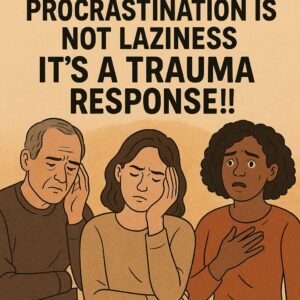
🗣 Past ridicule.
💔 Abandonment.
✨ Procrastination becomes a shield — not from the work but from the feelings the work evokes.
📚 Real-Life Examples of Procrastination as a Symptom of Pain
🎨 Michelangelo – The Reluctant Genius
Though famed for the Sistine Chapel, Michelangelo initially resisted the project for years. Beyond creative fatigue, historical accounts suggest his perfectionism and inner torment contributed to his delays — a deep fear of inadequacy driving his procrastination, not laziness.
📖 Franz Kafka – A Mind at War with Itself
Kafka, one of the greatest literary voices, was paralyzed by anxiety and self-doubt. Though he wrote masterpieces, he battled severe procrastination. He struggled to publish, believing nothing he did was good enough — a trauma wound from a critical father and fragile self-worth.
🎶 Nina Simone – The Sound of Silenced Pain
Renowned singer Nina Simone often delayed recording sessions or canceled appearances. Her struggles with bipolar disorder, racism, and personal trauma left her emotionally drained. Her “delays” were mechanisms for emotional survival.
👶🏽 The Inner Child Behind the Postponement
When someone says, “I just can’t start,” what they might mean is:
😔 “I’m afraid of failing.”
😰 “What if I’m judged again like before?”
😢 “I was always punished for making mistakes.”
Unhealed childhood wounds — especially from environments that emphasized perfection over progress — create adults who associate tasks with threats, not opportunities.
💖 Turning Compassion into Cure
To address procrastination, we must stop shaming and start listening. Ask:
🤔 What emotion does this task bring up for me?
🧠 What memory does this avoidance protect me from?
❤ Can I treat myself with the same grace I’d offer a friend in pain?
✨ Therapy, journaling, self-affirmation, and safe support systems can transform procrastination from a prison into a path of healing.
🫂 A Call to Empathy and Encouragement
If someone around you is “always delaying,” don’t be quick to label them. Ask with compassion. There might be more to their silence than sloth.
🔁 As a society, we need to shift:
❌ From judgement ➡ ✅ To gentleness
❌ From pressure ➡ ✅ To presence
🔓 Conclusion: Break the Chains, Not the Spirit
Procrastination is not the enemy. It’s the red flag calling for care. Behind every delay is a story untold. Healing begins when we stop criticizing the symptoms and start addressing the source.
📢 Let this message bring understanding and healing.
🙏🏼 Kindly share, comment, and support someone struggling in silence.
© James Ola Emiola-Dakobiri FIIM
🌍 Founder & President,
Suicide Prevention and Depression Support Foundation
🇳🇬 Nigeria & 🇺🇸 United States of America.
🔗 Connect & Inspire:
📞 Phone:
📱 +1(773)344-6313 | 📱 +2348028057889
📧 Email:
✉ info@spdsfoundation.org
🌐 Website:
🔗 www.spdsfoundation.org
📘 Facebook: SPDS FOUNDATION
📸 Instagram: @spdsfoundation
💼 LinkedIn: Suicide Prevention and Depression Support (SPDS) Foundation
📱 WhatsApp:
🇳🇬 +2348028057889 | 🇺🇸 +1(773)344-6313
📩 Gmail: info@spdsfoundation.org
🗣 For more inspirational blogs & lectures, visit:
👉🏼 www.spdsfoundation.org
📚 Read. Comment. Share. Inspire.